


Degassing valves for containers
By: Agencia BollDegassing valves for containers
Gas control, product protection, and container stability
Degassing valves allow the release of gases generated inside the container without compromising the barrier against oxygen, moisture, or external contaminants.
They are a key technical component in packaging for coffee, pet food, and products with post-packaging gas release.
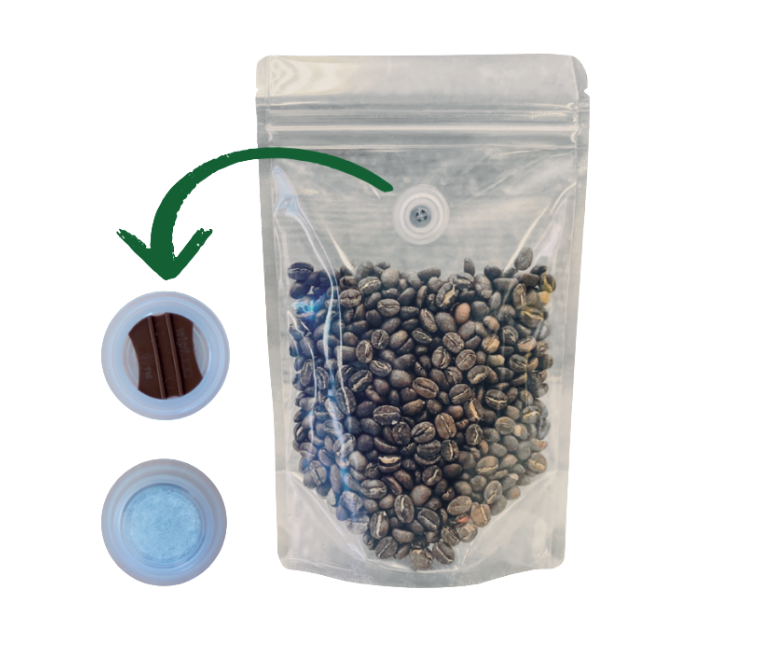

Why are degassing valves needed?
Some products, even after packaging, continue to generate gases due to physical, chemical, or biological processes inherent to their composition. When these gases are not controlled, they gradually accumulate inside the container.
This phenomenon causes visible deformations, stress on the seals, risk of breakage during transport and storage, and a direct acceleration of oxidation processes. In practical terms, this translates into a loss of product quality, a reduced shelf life, and a decline in brand perception among the end consumer.
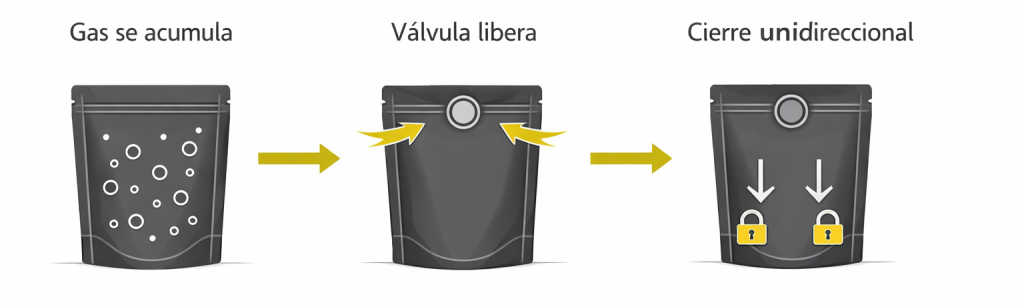
The degassing valve solves this problem through a unidirectional gas release system. When the internal pressure exceeds a defined threshold, the internal membrane opens, allowing the accumulated gas to escape. Once the pressure equalizes, the valve closes automatically, preventing any external air from entering.
Applications of degassing valves
Coffee degassing valves
Coffee naturally releases carbon dioxide after roasting. Without a degassing system, the packaging acts like a pressurized container, compromising seals, stability, and aroma preservation. The valve allows CO2 to be released without exposing the product to oxygen, making it a technical standard for specialty and premium coffees.
Degassing valves for pet food
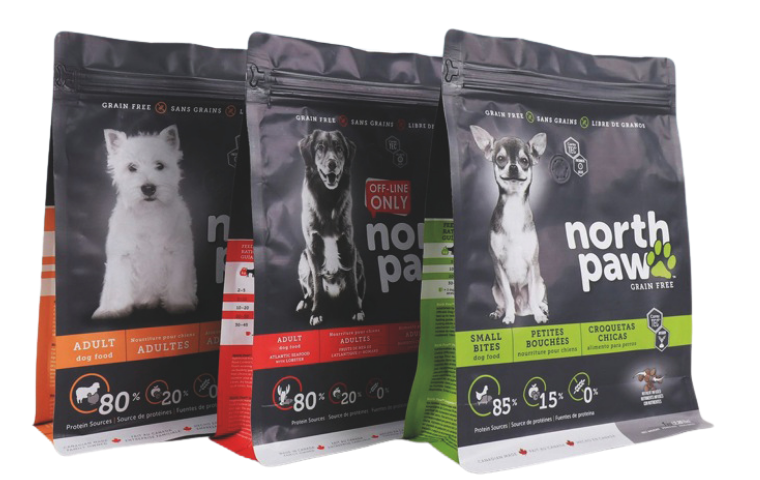
In premium pet food, gases are generated after packaging, causing visible deformation in containers without a valve. A degassing valve ensures container stability, improved presentation, and compliance with logistical and regulatory requirements, especially for larger formats.
Other industrial applications
Fertilizers, specific chemicals, and hygroscopic materials require internal pressure control. In these cases, the correct selection of the valve and application system is key to the safety and stability of the container.
HOW DOES A DEGASSING VALVE WORK?
The system operates using a one-way mechanism. The valve incorporates an internal membrane that responds to the pressure generated inside the container.
When the internal pressure increases due to the release of gases from the product, the membrane opens, allowing the gas to escape. When the pressure equalizes, the valve closes automatically, preventing the entry of oxygen or moisture from the outside.
This mechanism maintains the stability of the container, protects the product, and helps preserve critical attributes such as aroma, freshness, and sensory quality.
TYPES OF DEGASSING VALVES
Standard front valve
The most commonly used solution for coffee and dry foods.
It is installed on the front of the pouch, combining gas release with a good shelf presence.
Compatibility: doypack, stand-up pouch, laminated pouch.
Integrated degassing valve
Designed for premium brands where packaging aesthetics are key. Maintains unidirectional functionality with a more discreet integration.
Compatibility: Premium pouches, barrier materials.
Degassing valve for large containers
Designed for larger volume formats, such as pet food. Offers greater gas release capacity and mechanical resistance for logistics applications.
Compatibility: Large bags, pet food, industrial.
Degassing valve with filter
Option designed to control fine particles and maintain gas flow without compromising the container’s barrier properties.
Compatibility: ground coffee, products with fine dust.
Customizable degassing valve
Available in various colors for brand consistency and shelf differentiation, while maintaining technical performance.
Compatibility: coffee and premium foods.
Valve for industrial applications
For products that release gases or vapors under demanding conditions. Selection based on product, format, and logistics chain.
Compatibility: fertilizers, specific chemicals, hygroscopic substances.
Degassing valve applicator equipment
To ensure consistency, speed, and positioning accuracy,
valve installation is performed using applicator equipment. Italzip offers semi-automatic and automatic solutions, depending on production volume, container size, and line requirements.
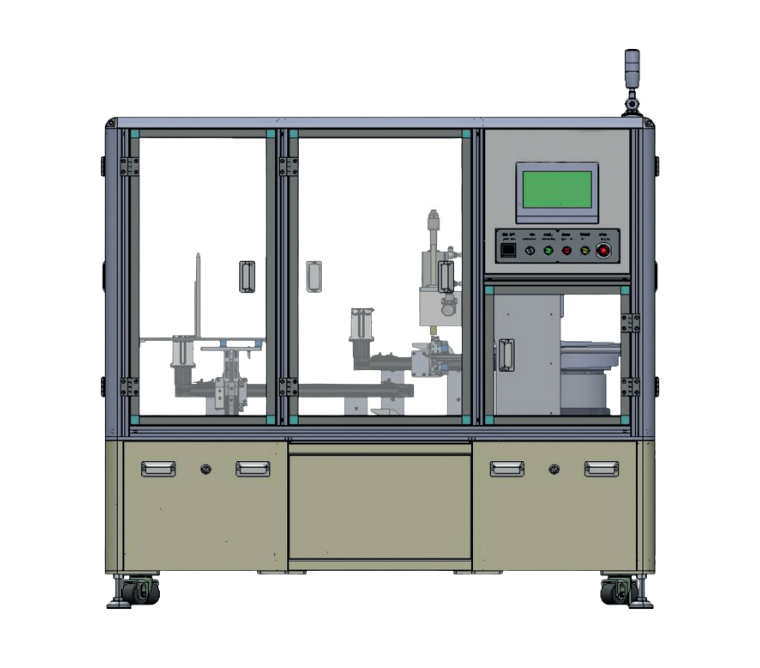
Automatic degassing valve applicator (double station)
Código: YITAFZD2000
| Specification | Detail |
|---|---|
| Application range | Bags of coffee |
| Efficiency | 25–40 unidades/min |
| Bag length | 120–400 mm |
| Bag width | 70–240 mm |
| Valve location depth | 70–180 mm |
| Size / Weight | 180 × 135 × 190 cm / 900 kg |
| Voltage / Power | 220 V CA 50 Hz / 3 kW |
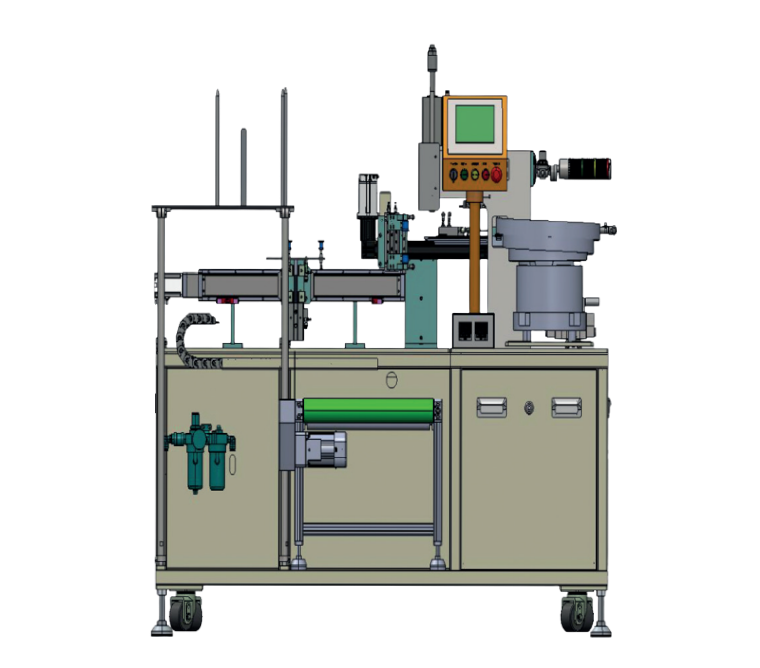
Automatic degassing valve applicator (single station)
Código: YITAF1200
| Specification | Detail |
|---|---|
| Application range | Bags of coffee |
| Efficiency | 15–20 unidades/min |
| Bag length | 120–400 mm |
| Bag width | 70–240 mm |
| Valve location depth | 70–180 mm |
| Size / Weight | 180 × 80 × 190 cm / 700 kg |
| Voltage / Power | 220 V CA 50 Hz / 2 kW |
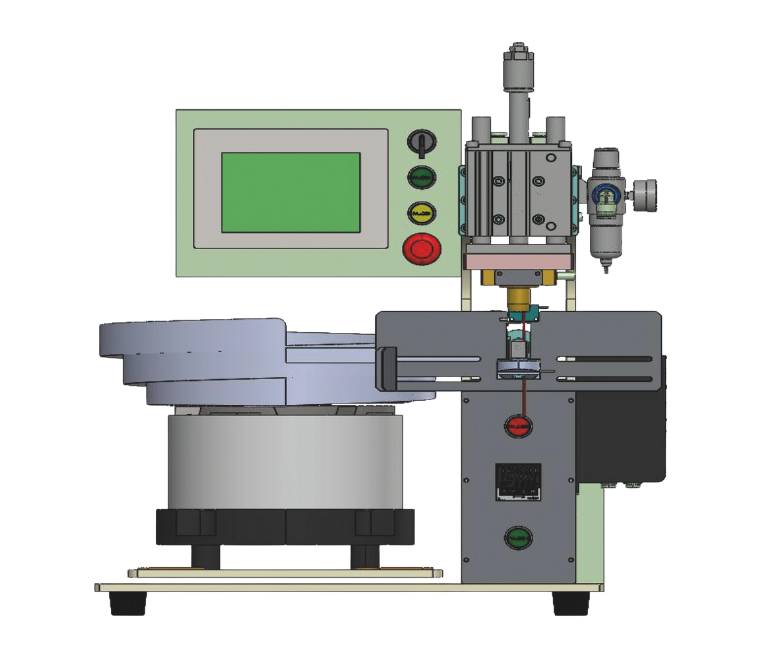
Semi-automatic degassing valve applicator
Código: BITAZD200
| Specification | Detail |
|---|---|
| Application range | Bags of coffee |
| Efficiency | 10–15 unidades/min |
| Bag length | 120–600 mm |
| Bag width | 70–400 mm |
| Valve location depth | 70–220 mm |
| Size / Weight | 60 × 70 × 70 cm / 150 kg |
| Voltage / Power | 220 V CA 50 Hz / 1 kW |
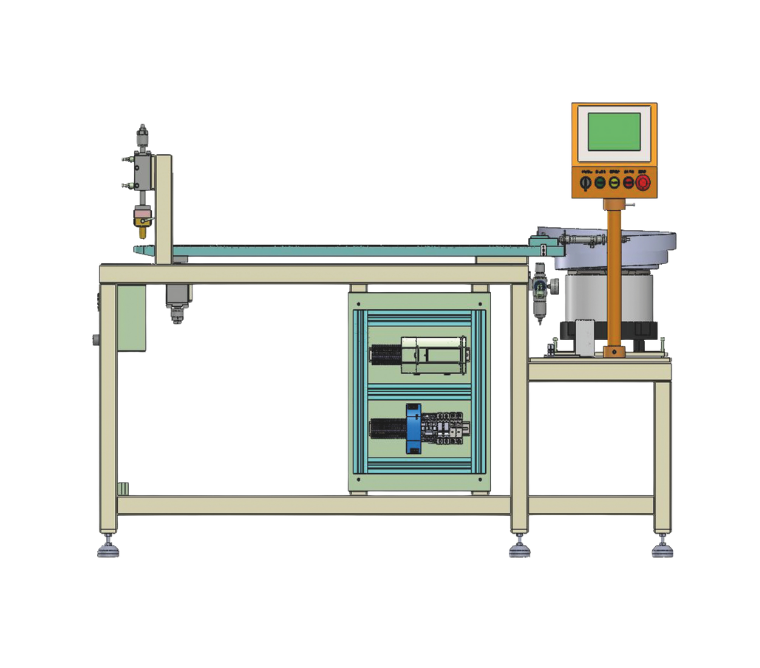
Semi-automatic applicator (large container size)
Código: SITADYF1000
| Specification | Detail |
|---|---|
| Application range | Bags of feed, fertilizer and chemicals |
| Efficiency | 6–10 unidades/min |
| Bag length | 400–1000 mm |
| Bag width | 300–500 mm |
| Valve location depth | 80–900 mm |
| Size / Weight | 155 × 100 × 120 cm / 700 kg |
| Voltage / Power | 220 V CA 50 Hz / 1 kW |
Compatibility with flexible packaging and a comprehensive solution
Italzip degassing valves are compatible with doypacks, stand-up pouches, flat-bottom pouches, and multilayer packaging used in food and industrial applications. To ensure optimal performance, the system must be defined as a whole: valve + packaging material + application position + application method.
Italzip can assist with technical selection and commissioning to ensure packaging stability, consistent seals, and scalable operation based on your production volumes.
Frequently asked questions about degassing valves
What is the purpose of a degassing valve in coffee?
It allows the release of CO2 that coffee naturally expels after roasting without allowing oxygen to enter. This prevents swollen packaging, protects the seal, and helps preserve aroma and freshness.
Does a degassing valve allow air to pass into the room?
No. It’s a one-way system: it releases gases outwards when there is overpressure and closes automatically, preventing the entry of outside air.
Can a degassing valve be used in pet food?
Yes. In premium pet food, it helps stabilize the packaging, prevent deformation, and maintain consistent presentation during logistics, especially in large formats.
How do I choose the valve type and location?
It depends on the product, gas volume, container size, material structure, and brand aesthetics. Italzip can evaluate the correct option and its integration with the application method.
Let's talk about the right solution for your product
Each product presents specific challenges related to gas release, packaging format, and logistical conditions. Our team can help you define the most suitable degassing valve and application system for your operation and business objectives.
